Skip to content

How can psychology care help you live well as you age?

Written by Daniela Anderson, Psychologist with integratedliving

Psychology care isn't only for mental illness or crisis. Most people who see a psychologist are adjusting to change, such as retirement, grief, a new diagnosis or losing some independence. Psychological support helps you work through those feelings, build practical strategies and keep enjoying life. With telehealth psychology, you can access this service from home.

Psychology care isn't only for mental illness or crisis. Most people who see a psychologist are adjusting to change, such as retirement, grief, a new diagnosis or losing some independence. Psychological support helps you work through those feelings, build practical strategies and keep enjoying life. With telehealth psychology, you can access this service from home.

How psychology care changes lives at every age

Looking after your mental health is just as important as looking after your physical health, and that doesn’t change as you get older.

There can be an assumption that feeling down, lonely or anxious is just part of ageing, and that you should simply accept it. Ageing does bring challenges, but you don’t have to struggle through them without support. Psychologists can help you maintain your mental wellbeing and enjoy this stage of life.

Is psychology only for people with a mental illness?

You don’t need a mental illness, or a major traumatic event in your past, to benefit from psychology care.

Some of the people we support do fit that description. But it’s far more common for us to see people going through a period of change, and the difficulties that come with adjusting to it. Psychology is useful for anyone who wants to understand themselves better, build strategies for life’s challenges, or simply have some support through a difficult time.

Is psychology only for people with a mental illness?

You don’t need a mental illness, or a major traumatic event in your past, to benefit from psychology care.

Some of the people we support do fit that description. But it’s far more common for us to see people going through a period of change, and the difficulties that come with adjusting to it. Psychology is useful for anyone who wants to understand themselves better, build strategies for life’s challenges, or simply have some support through a difficult time.

Why do older people seek psychological support?

Most people seek psychological support because they are going through a big transition. Our senior years bring many of them, and they don’t have to be dramatic to deserve support.

The most common reasons we see include:

  • Grief and loss. It is very common for clients to tell us they feel they are attending more funerals than weddings.
  • A new diagnosis. A health diagnosis for you or someone close to you can make you fearful for the future.
  • Retirement. This can be a surprisingly hard adjustment, especially when so much of your identity and routine was tied to work.
  • Doing less than you used to. Losing the ability to do some things can be very difficult to accept.
  • Changing relationships. Family dynamics shift, and loneliness can become an issue.
  • Caring for a loved one. Carers often put their own wellbeing last.
  • Looking back. Sometimes people find themselves reflecting on their lives and struggling with what they find.

How does psychology help when your health changes?

Psychology helps you work through the emotions that come with a diagnosis or a change in physical ability, and find ways to live well with it.

Those changes can bring grief for the things you used to do, fear about the future, frustration at relying on others, or difficulty adjusting to a new way of doing things. Together, we work through those feelings, build strategies to manage the changes, and find ways to support your independence, purpose and enjoyment.

It isn’t necessarily about changing the circumstances, but helping you find ways to live well within them.

What happens at your first psychology appointment?

Your first appointment is mostly about getting to know each other. We talk about some of your history, what has brought you to see us, and what you would like help with.

We know it can be a big step, so we aim to put you at ease and treat you with respect, kindness and no judgement. You don’t need to have all the answers, or even know exactly what you want to talk about. We work through that together, and there is no expectation to share anything you’re not comfortable discussing.

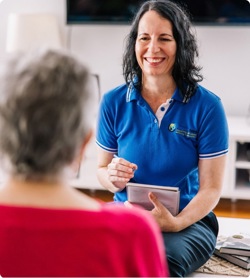
Psychologist talking with an older client

Over time, psychological support can help you:

  • Build coping strategies
  • Manage stress and anxiety
  • Improve your confidence and resilience
  • Navigate major life transitions
  • Develop healthy routines and habits

Does telehealth psychology work as well as face-to-face?

For many people, telehealth psychology works just as well. Some of our clients have benefited from psychology with us for some time without having a clue what their psychologist looks like!

Most people say they prefer face-to-face, but it isn’t required to benefit. With telehealth, you get support in your own home, which is usually where you feel most at ease. You can’t get more convenient than that.

Asking for support takes strength

If you are hesitant about psychology, you are not alone. Many older Australians have taken the opportunity.

We meet many strong men and women who have had successful lives and supported plenty of others, but still needed to look after themselves. Seeking help is not a failure or a character weakness. It takes strength to recognise when you might need support and be willing to accept it.

You don’t have to wait until things become unbearable, and you certainly don’t have to justify needing a little help.

How can you access psychology care with integratedliving?

Psychology care with integratedliving is available through Support at Home or the Commonwealth Home Support Program (CHSP). It is generally for people aged 65 and over, or 50 and over for Aboriginal and Torres Strait Islander people.

If you are already an integratedliving client, speak to your Care Partner about adding psychology to your services.

If you are new to aged care, contact My Aged Care on 1800 200 422 to apply for an aged care assessment.

Could talking to a psychologist help you thrugh a change?

Frequently asked questions about our psychology services

How much does psychology care cost?

Costs depend on how your services are funded. If you have Support at Home, sessions come out of your budget. If you receive CHSP services, you pay a contribution towards each session. Our price guides list current rates, and your Care Partner can explain what you would pay before you start.

What do I need for a telehealth psychology appointment?

You need a computer or tablet with a camera, a microphone and an internet connection. If you haven't used video calls before, our team will help you download the apps you need and show you how they work. You can also have someone at home help you join your first session.

Can a family member help me get started?

Yes. A family member can call us on 1300 782 896 to ask about psychology care, or contact My Aged Care on your behalf with your consent. Many people find it easier to take the first step with a son, daughter or friend helping them make the call.

Is what I talk about with a psychologist confidential?

Yes. What you discuss with your psychologist is kept confidential and stored securely. There are a small number of legal exceptions, such as when someone's safety is at serious risk. Your psychologist will explain how confidentiality works at your first appointment, so you know exactly what to expect.

How many sessions will I need?

There is no set number. Some people find a few sessions are enough to work through a specific change, while others prefer support over a longer period. You and your psychologist will set goals together and check in regularly on how things are going and whether to continue.

Is psychology care available in my area?

Telehealth psychology is available in regional and rural areas, as long as you have an internet connection. In-home appointments depend on your location. Call us on 1300 782 896 or complete our enquiry form, and we will check what is available near you.

About the author

Daniela is a Psychologist with integratedliving, supporting older Australians through in-home and telehealth psychology. She helps people adjust to life changes such as retirement, grief, a new diagnosis or changes in health and independence. She believes looking after your mental health matters just as much as your physical health, at every age.