Stay connected from home with virtual social support
Social inclusion means feeling valued, connected and able to take part, and it doesn’t depend on getting out. You can stay socially connected from home through regular phone calls, shared interests, online groups and virtual social support. Start with one small step that suits your energy and interests.
Social inclusion means feeling valued, connected and able to take part, and it doesn’t depend on getting out. You can stay socially connected from home through regular phone calls, shared interests, online groups and virtual social support. Start with one small step that suits your energy and interests.

In practice, social inclusion looks like:
- Feeling valued and respected.
- Having opportunities to participate.
- Being connected to others.
- Contributing to your community.
- Maintaining a sense of belonging.
Why do meaningful relationships matter?
How can you keep contributing and stay involved?
Ways to stay involved include:
- Community groups: many groups now meet online as well as in person.
- Mentoring: passing on your experience to someone starting out.
- Sharing skills and experiences: teaching or contributing your knowledge of a craft, interest or hobby.
- Lifelong learning: join a class or discussion group on a topic you're interested in and see where it leads.
What can make social connection harder?

Changes with a significant impact include:
- Retirement
- Loss of loved ones
- Mobility changes
- Distance from family
- Health changes
When these changes make getting out and about difficult, connecting from home becomes even more important.
How do you reconnect if you don’t know where to start?
What are simple ways to build new connections from home?
How can Virtual Wellness Social Support help?
Frequently asked questions about Social Support
Is connecting online as good as meeting in person?
Online connections won’t replace every in-person moment, but they can be surprisingly companionable and offer a very rewarding chance to enjoy regular company, conversation and shared interests from the ease and comfort of home. Ideally they are interspersed with phone calls, family visits and local outings when they’re possible.
Choosing the kinds and variety of connection that feels comfortable and meaningful to you is highly beneficial for wellbeing.
How can I tell if a loved one is becoming isolated?
Signs of isolating can include withdrawing from activities an individual used to enjoy, talking less about friends, or seeming flat or uninterested. They may also mention feeling bored or alone.
Gently ask how they’re feeling, offer to go along to something with them, and help them explore options that suit their interests and energy.
Is Virtual Wellness Social Support suitable for people living with dementia?
Virtual Wellness Social Support can be suitable for people living with dementia if you have the right set-up. Shorter one-on-one sessions can feel easier to some individuals than a group, especially initially, and a familiar person sitting alongside can help.
It's helpful to support people to share their interests and abilities with a group facilitator so sessions can be tailored to them.
Can I do group and one-on-one sessions?
Yes. One-on-one sessions can stand on their own or build on themes from the group sessions you enjoy. For example, someone who enjoys a Book Club session might use a one-on-one session for Life Story Writing.
Talk to our expert team about combining sessions in a way that suits your goals, routine and wellbeing.
Do I need to be good with technology to join virtual sessions?
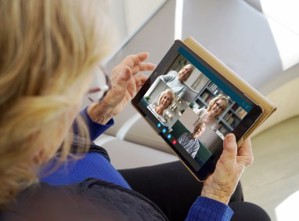
No, you do not need to be good with technology to join the sessions. Our team will help you install the free Zoom app, get set up and join your first session, and our team can help if your connection drops out.
You’ll need your own computer, laptop or tablet with a camera and microphone, and a reliable internet connection. A family member or friend can help, too.