What can I do about incontinence as I get older?
Incontinence is common as you age, affecting more than 4.8 million Australians, and it can often be managed or improved. Pelvic floor exercises along with a healthy diet, and exercise will assist with managing these issues. integratedliving's Continence Wellness program offers education and practical support.
Incontinence is common as you age, affecting more than 4.8 million Australians, and it can often be managed or improved. Pelvic floor exercises along with a healthy diet, and exercise will assist with managing these issues. integratedliving's Continence Wellness program offers education and practical support.
What is incontinence?
Why does incontinence become more common with age?
Common age-related changes include:
- Weaker bladder muscles, so the bladder holds less urine.
- An enlarged prostate gland in men.
- Needing to go to the toilet more at night, called nocturia.
- Pelvic floor muscle weakness after childbirth, menopause, surgery or injury.
- Less awareness of the need to go.
- Changes in the consistency of bowel movements.
What can I do to improve my bladder and bowel health?
When should I talk to someone about incontinence?

You should seek advice if you:
- Leak urine or stool, even occasionally.
- Need to rush to the toilet or go more often than usual.
- Get up two or more times a night to pass urine.
- Have pain, bleeding or ongoing constipation or diarrhoea.
- Have trouble emptying your bladder or bowel.
How can integratedliving's Continence Wellness program help?
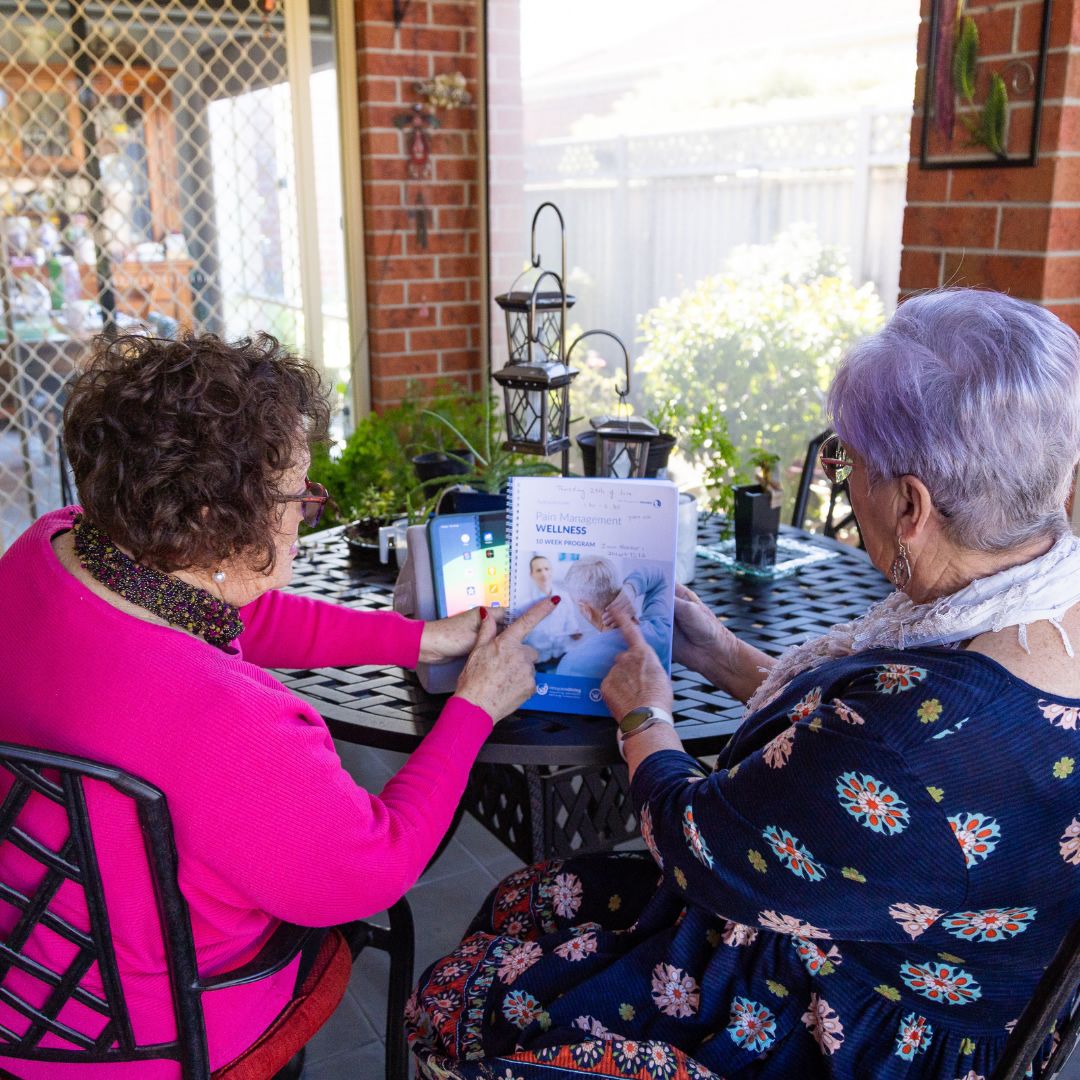
The program covers:
- How the bladder and bowel work, and what affects them.
- Everyday strategies, including pelvic-floor exercises, diet, fluids and toilet routines.
- Discreet, respectful support in a non-judgemental setting.
- Building the confidence to keep doing the things you enjoy.
Frequently asked questions about continence
Who can join the Continence Wellness program?
This program is designed for older people who want support with bladder or bowel changes or have the potential to develop an incontinence issue.
Like our other Wellness for Independence programs, you need to be aged over 65 years, or 50 for Aboriginal and Torres Strait Islander people, and those homeless or at risk of homelessness. Some services may be available to younger people, so call 1300 782 896 to check.
How is the Continence Wellness program delivered?
Our Wellness for Independence programs can be delivered at selected Wellness Centres and Activity Centres, in your local community, or online over a video call on any digital device include laptops, iPads, tablets or smart phones.
Programs are currently running at our Gorokan, Muswellbrook, Raymond Terrace, Toowoomba and Wallsend Centres. Before you start, we'll talk with you about the option that best suits your needs.
Can integratedliving help with continence care at home?
Yes. Our in-home nursing services, delivered by registered and enrolled nurses, includes continence management, catheter care, stoma therapy and skin integrity management.
Nurses work with you, your family and your GP, and you can fund nursing through Support at Home, Commonwealth Home Support Program (CHSP) or the Department of Veterans' Affairs (DVA).
What other integratedliving services can support my bladder and bowel health?
Several of our services can be used alongside the program.
Physiotherapy focuses on strength and movement, dietetics and our Nutritional Wellness program cover healthy eating and fluids, and exercise physiology at our Wellness Centres focuses on strength and mobility. Occupational therapy and home modifications can help make getting to the toilet safer.
What continence products are available?
Continence products include disposable and washable pads, pull-up pants, men's guards, and bed and chair protectors. You can buy them at supermarkets, pharmacies, online or by phone. Because needs vary from person to person, a GP or continence nurse can help you choose products that suit your situation.
Is there help with the cost of continence products?
Yes. The Australian Government's Continence Aids Payment Scheme (CAPS) helps eligible people pay for some of the cost of continence products. You must be five years or older, and a registered health professional such as your GP or a continence nurse must confirm your condition. You can receive CAPS and Support at Home at the same time if you meet the CAPS criteria.
How can I support a family member with bladder or bowel changes?
Start with a calm and private conversation that's respectful of their dignity and choices. You can encourage them to talk to their GP, offer to go to appointments with them, and help keep the path to the toilet clear and well lit at night. A helpful suggestion is for clothing that is easy to remove can also make toileting easier.